
13 Self-Regulation Strategies for Kids With ADHD You Can Use at Home
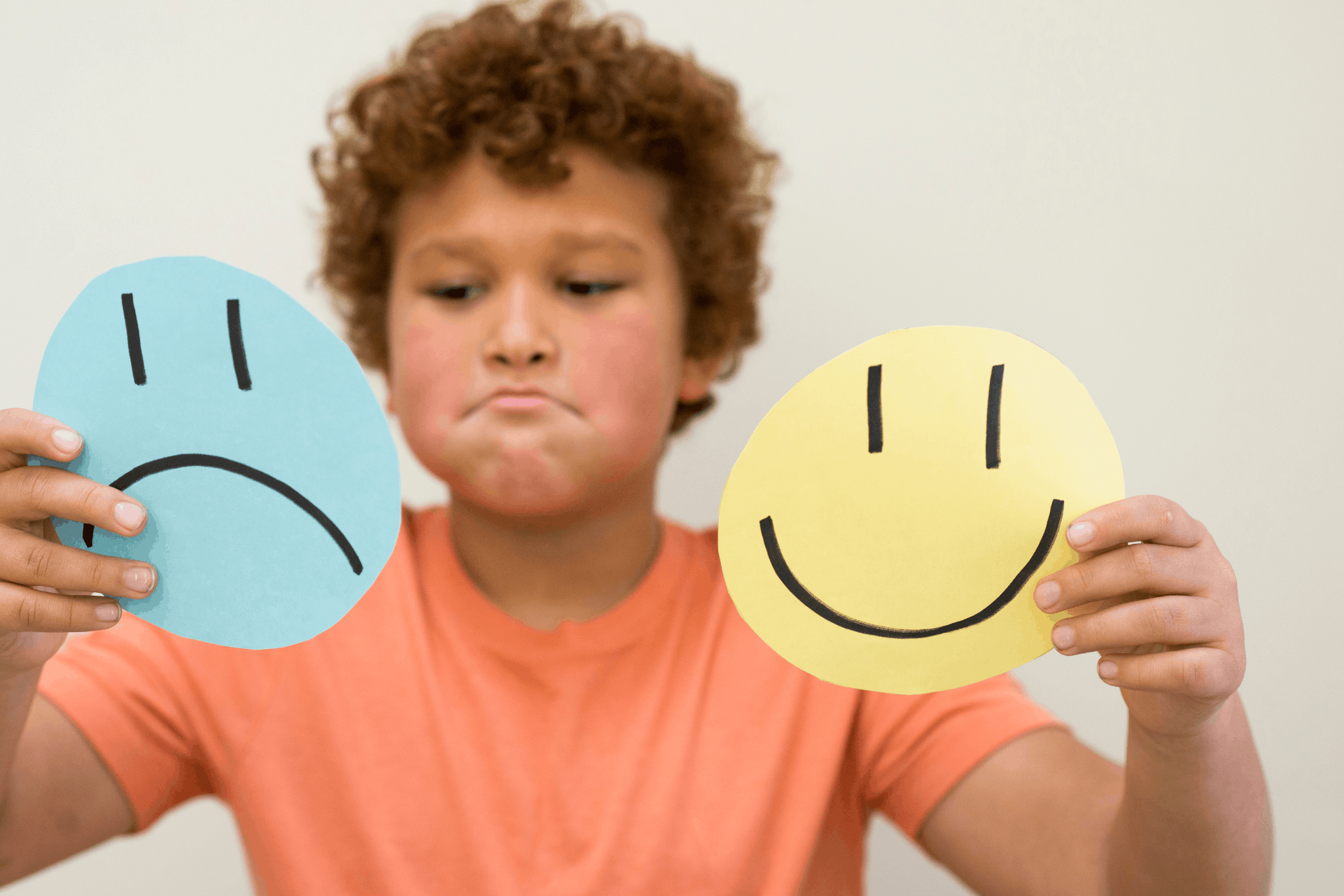
If your child has Attention-Deficit/Hyperactivity Disorder, commonly referred to as “ADHD,” the smallest moments can turn big quickly. Getting out the door, starting homework, or turning off a favorite show suddenly brings fast reactions that often involve tears and frustration. Usually, the root lies in difficulty with regulation.
Self-regulation helps children manage emotions, attention, energy, and body responses so they may participate more fully in daily life. Kids with ADHD often need extra support, structure, and practice in order to build those skills.
The good news is that self-regulation strategies don’t need to feel complicated. Small, consistent supports help your child feel steadier, more connected, and more confident throughout the day.
What Is a Self-Regulation Strategy?

A self-regulation strategyhelps a child notice what’s happening in their body and emotions, then choose a supported response to that feeling.
Self-regulation doesn’t mean a child stays calm all the time. It means they’re beginning to recognize what they need—and learning how to use tools that help them feel more organized, confident, and ready for activities and the demands of daily life.
For one child, that means taking deep breaths before homework. For another, it means jumping on a trampoline before sitting at the table. Another child may need a visual schedule, a calm corner, or a checklist.
Why Self-Regulation Can Be Hard for Kids With ADHD
ADHD affects attention, impulse control, emotional flexibility, and planning. A child wants to make a good choice, follow the directions, and stay calm, but their brain and body struggle to support their ability to do so.
A dysregulated child interrupts, runs away, refuses a task, cries, yells, or shuts down. They’re not choosing to make the day harder; they need help building the skills that are causing the breakdown in behavior.
This is also why ADHD and emotional regulation are so closely connected. Regulation challenges look different from child to child, so support works best when it’s consistent, yet flexible, and matched to the child’s needs.
If you’re not sure whether ADHD could be contributing to the challenges you’re seeing, start by learning about some of the subtle signs your child might be struggling with focus and attention.
How Can You Tell if Your Child Is Struggling With Self-Regulation?
Your child needs more support with regulation when you often notice:
Big reactions to small changes
Difficulty calming down after frustration
Trouble with transitions
Impulsive choices
Avoidance during homework or chores
Frequent movement-seeking behavior
Sensory sensitivities
Trouble waiting, sharing, or taking turns
Meltdowns after school
Difficulty following multi-step directions
Challenges with winding down at bedtime
These are signs that your child needs more help to understand their body, emotions, and environment.
Creating a Supportive Environment for Self-Regulation
Before jumping into strategies, take a look at the environment around your child.
Kids with ADHD do better when expectations feel clear, routines stay predictable, and adults remain calm and connected. A simple visual schedule helps your child check what comes next, rather than relying only on repeated verbal reminders.
A calm reset space also helps. Add a few comforting tools, like a pillow, weighted blanket, fidget, or favorite book, so your child has a place to pause, settle their body, and return to tasks with more support.
13 Self-Regulation Strategies for Kids With ADHD
#1: Help Your Child Name Their Emotions
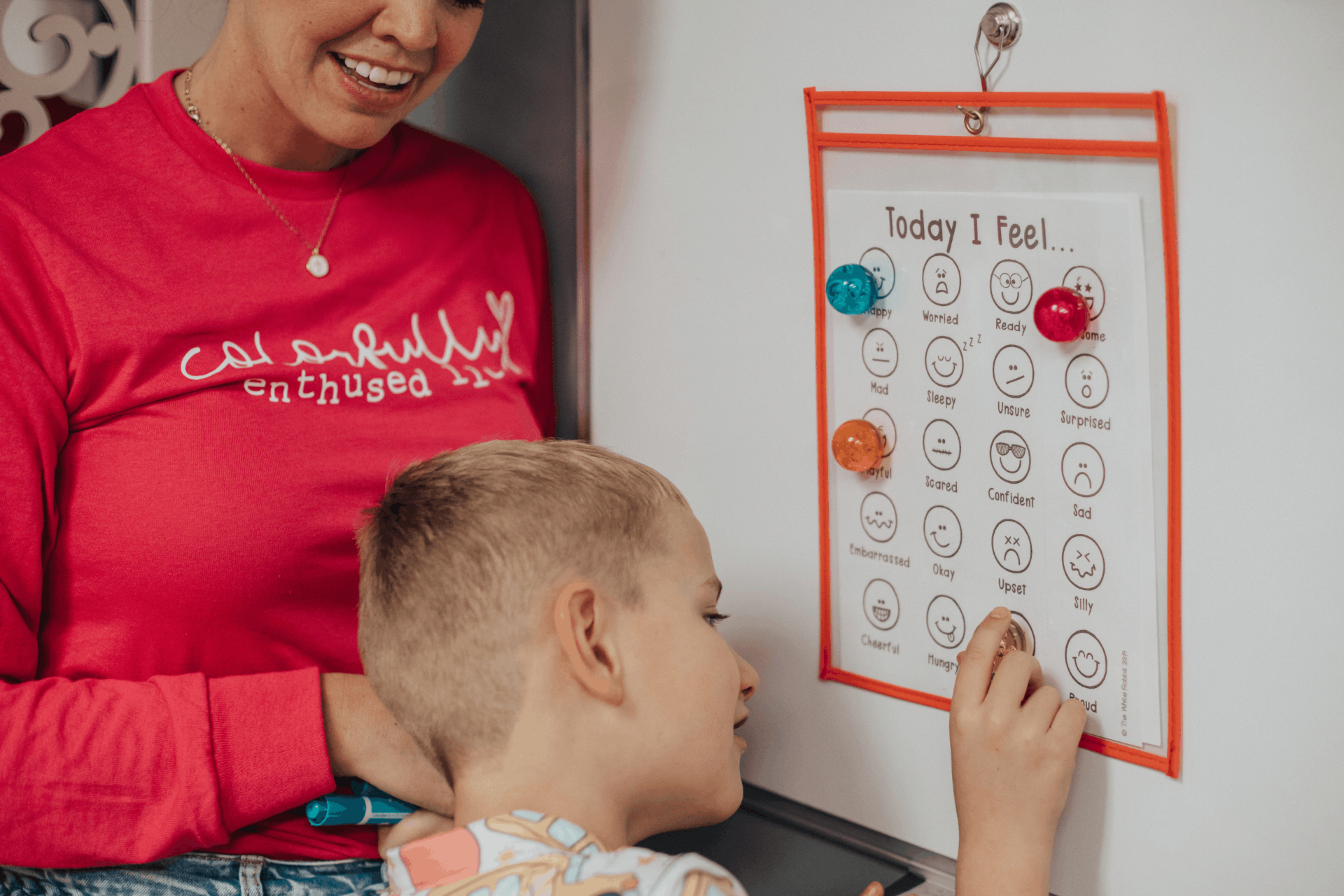
Children can’t regulate feelings that they don’t yet understand. Start with simple emotion words like mad, sad, worried, excited, frustrated, tired, or overwhelmed.
You can also connect emotions to body clues: “Your fists are tight, and your voice is louder. I wonder if your body feels frustrated.” This builds emotional awareness without shame.
#2: Use Visual Aids and Social Stories
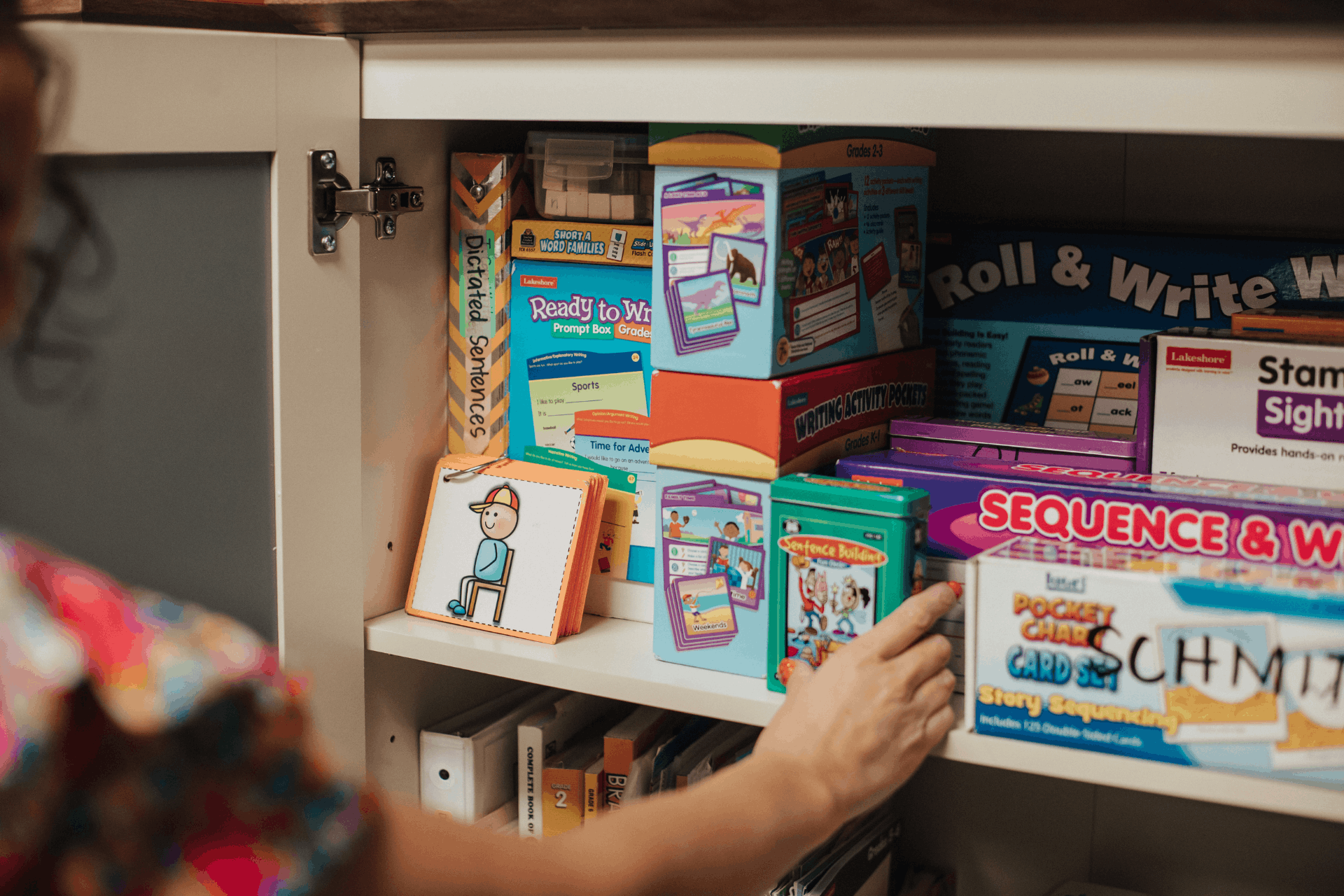
Visual supports help kids know what to expect and what to do next. Try out some picture schedules, first-then boards, routine charts, or simple social stories.
Social stories are great for reviewing expectations and possible frustrations or disappointments before an upcoming, new, or challenging situation. You can think of them as a child’s version of mental imagery! They set them up for success by walking them through the activity, step-by-step.
#3: Build Predictable Routines
Routines lower the amount of planning your child has to do in the moment. Protect the consistency of short and repeatable morning, after-school, homework, and bedtime routines. Reliable routines like these help your child feel more secure because predictability feels safe. When they know what comes next, they can relax into the moment without the startling fear of being interrupted by a task demand they weren’t expecting.
#4: Practice Problem-Solving Skills
When your child is calm, practice what they can do when something feels hard. Try asking, “What could you try if your tower falls?” or “What can we do if no one you know is at the birthday party?” Then, together with them—as a team—brainstorm some possible options.
#5: Use Positive Reinforcement
Notice the moments when your child tries to regulate, even if the moment is still messy. You might say, “You were upset, and you took a breath before trying again,” or “You asked for help instead of throwing your pencil.”
Positive reinforcement helps your child see what’s working and builds motivation to use those tools again.
#6: Model Self-Regulation Out Loud
Kids learn a lot from watching adults. When you model regulation, you show your child what calming down might look and/or sound like.
Try saying, “I’m feeling frustrated, so I’m going to take a breath before I answer,” or “My body feels rushed, so I’m going to slow down and check my list.” You can also comment on your energy levels with statements like, “I feel really tired this morning, so I’m going to drink a big glass of water and go for a walk outside.”
Extra bonus points if you provide an opportunity for connection: “Can you take a deep breath with me?” “Do you want to come too?”
#7: Try Relaxation and Mindfulness Tools
Relaxation doesn’t have to mean sitting still for a long time. Many kids with ADHD do better with brief, yet active, movement breaks that involve the use of their senses
Try balloon breaths, animal breathing, wall pushes, five-finger breathing, or naming five things they can see in the room.
#8: Add Sensory Integration Activities
Some kids need sensory input to feel more organized in their bodies. Deep pressure, heavy work, fidgets, movement breaks, or tactile play help them reset.
Try carrying laundry, pushing a basket, using therapy putty, wrapping up in a blanket, or playing with textured materials. If your child also needs hand-strengthening support, these fine motor activities can pair well with practicing regulation.
#9: Encourage Physical Activity
Movement helps many kids with ADHD reset their attention and energy. Before homework, try jumping jacks, animal walks, scooter board play, a pillow obstacle course, or outdoor climbing.
Gross motor play supports body awareness, coordination, strength, and regulation.
#10: Stay Consistent and Patient
Regulation skills require time and grow through repetition. Your child needs practice with the same strategy many times before they use it independently. Choose one or two tools to practice first instead of changing everything at once.
#11: Adapt Strategies to Your Child’s Needs
Every child responds differently. One child may calm with music, while another may need silence, deep pressure, stillness, movement, or space. Pay attention to what helps your child return to a more ready state. If a strategy increases frustration, adjust it so that regulation support feels helpful.
#12: Use Timers and Checklists
Timers and checklists make time and tasks easier to understand. A visual timer helps your child prepare for transitions, while a checklist supports follow-through with completion of multi-step tasks like homework, packing a backpack, getting dressed or ready for bed, and cleaning up toys.
#13: Explore Apps and Assistive Tools
Some children benefit from digital support. Instead of buying a physical, visual timer, you can try a simple timer app, a visual schedule app, calming music, or an audio story to wind down when it’s time to rest. These tools work best when they support connection and routine, rather than creating another distraction.
How to Choose the Right Self-Regulation Strategies for Kids With ADHD
Start by noticing when your child struggles most.
If transitions feel hard, try visual schedules, timers, and first-then language.
If homework brings frustration, try movement first, short work periods, and positive reinforcement.
If big emotions often take over quickly, focus on naming feelings, breathing tools, and a calm reset space.
You don’t have to figure it all out in one day. Choose one challenge, one strategy, and one routine to practice with consistency.
When to Seek Professional Support
Self-regulation challenges are common for kids with ADHD, but extra support helps when they begin to affect school, friendships, confidence, family routines, or daily independence.
Occupational therapy helps children build regulation skills while also supporting attention, sensory processing, motor skills, handwriting, and everyday routines. At The ColorfullyEnthused Therapy Studio, pediatric occupational therapy services help kids build practical skills for home and school while giving parents clear strategies they’ll be able to use outside the studio.
Self-Regulation Strategies: Frequently Asked Questions
What are some self-regulation strategies for kids?
Self-regulation strategies for kids include deep breathing, movement breaks, visual schedules, emotion naming, sensory activities, timers, checklists, calm corners, social stories, and positive reinforcement. The right strategy depends on the child, the environment, and what’s happening in the moment.
What is the 3 3 3 rule for children?
The 3 3 3 rule is a grounding strategy. A child names three things they see, three things they hear, and moves three parts of their body. This helps when a child feels worried, overwhelmed, or disconnected from what’s happening around them.
What are the 4 R’s of self-regulation?
The 4 R’s of self-regulation are recognize, respond, reflect, and repair. A child learns to recognize what they’re feeling, choose a helpful strategy, reflect on what happened, and repair when needed.
What are the four basic self-regulation strategies?
Four basic self-regulation strategies include naming emotions, using calming tools, creating predictable routines, and practicing problem-solving. These skills help children understand their feelings, organize their bodies, and make supported choices during hard moments.
Get Support in Emotional Regulation With Ashlee Schmitt, MOT, OTR/L
If your child’s big emotions, impulsivity, or difficulties with attention make daily life harder than it needs to be, a little additional support can help your child build skills to make everyday life feel more manageable.
At The ColorfullyEnthused Therapy Studio, Ashlee Schmitt, MOT, OTR/L, helps kids build regulation, confidence, and functional skills through creative, individualized occupational therapy. Families receive clear communication, practical home strategies, and a plan designed around their child’s needs.
With the right support, your child can practice, understand, and grow their regulation skills over time. Contact ColorfullyEnthused LLC to schedule an evaluation or inquire about next steps.