
4-Year-Old Tantrums: Here’s What They Really Mean

Your child melts down because the blue cup is in the dishwasher, the car seat buckle feels wrong, and leaving the playground feels impossible. Before you know it, they’re sobbing, you’re exhausted, and you’re wondering whether this is normal.
At age 4, tantrums happen. Kids this age still have developing brains, are growing their language skills, and feelings move faster than their words. Still, some tantrums feel bigger than expected.
A 4-year-old tantrum may express something deeper about a child’s emotional regulation, sensory needs, or frustration tolerance. When you pause to look underneath the behavior, the real question becomes, “What is my child trying to communicate?”
Understanding the Nervous System Behind Big Emotions
Tantrums happen when a child’s brain and body hit overload. In that moment, thinking, listening, problem-solving, and flexibility are out of reach.
Their brain has shifted into protection mode. Instead of using their words, their bodies react first. Children need an adult to lower the intensity of the moment, keep them safe, and help their body settle before they’re ready to talk, listen, or try again. This is called “co-regulation,” and it’s an essential part of a child’s ability to rebalance.
Why 4-Year-Old Tantrums Happen
Again, tantrums at 4 years old are normal. In fact, there are scientific reasons to explain why tantrums happen at this age. Let’s get into them.
Their Brain Is Still Developing
Four-year-old brains are still developing and building impulse control, flexible thinking, patience, and emotional awareness. They might understand a rule when they’re calm, then fall apart when that rule blocks something they want.
They’re Still Learning Emotional Awareness And Regulation
Preschoolers feel emotions, and most don’t yet know how to name them. Frustration, embarrassment, anxiety, hunger, and sensory overload all come out looking like screaming, crying, running away, or refusing. When children don’t have words like “I’m overwhelmed” or “I need help,” their bodies speak for them.
They’re Tired, Hungry, or Overstimulated
A skipped snack, a busy birthday party, itchy clothing, a loud classroom, or feeling rushed lowers a child’s coping ability. By the time the tantrum happens, the trigger might look small, but the buildup started much earlier.
What Is the Root Cause of Tantrums?
There isn’t one root cause of tantrums for every child. The better question is: What pattern keeps showing up? Pause to review your child’s most recent tantrums. What happens before, during, and afterward?
Does your child struggle most with transitions?
Do loud places lead to more meltdowns?
Does hunger make everything harder?
Do tantrums happen after preschool, after your child has worked hard to hold it together all day?
When parents track timing, triggers, duration, safety, and recovery, tantrums start to make more sense. These patterns help families understand the difference between everyday preschool frustration and tantrums that might signal something deeper.
The Neurodivergent Triangle: Autism, ADHD, and Anxiety

Autism, ADHD, and anxiety often overlap in young children, which can make tantrums feel confusing to understand. A child might struggle with sensory overload, big emotional reactions, fear, transitions, communication, or frustration tolerance, and those challenges can look similar from the outside. Autism, ADHD, and anxiety each have their own patterns, but they often connect around the challenge with self-regulation.
How Autism Can Show Up Through Tantrums
For autistic children, tantrums or meltdowns often relate to sensory overload, communication differences, transitions, unexpected changes, or a world that feels too loud, too bright, too fast, or too unpredictable.
Families exploring occupational therapy (OT) for children with autism often find that OT helps connect sensory needs, daily routines, emotional regulation, and participation at home and school.
How ADHD Can Show Up Through Tantrums
For children with ADHD, tantrums often rise quickly. A child might go from fine to furious in seconds because stopping, waiting, shifting attention, or tolerating frustration takes extra effort.
ADHD affects more than attention. It also affects inhibition, working memory, emotional regulation, and the ability to pause before reacting. Outside the tantrum, kids with ADHD benefit from repeated, playful practice with regulation tools.
How Anxiety Can Show Up Through Tantrums
Anxiety doesn’t always look like worry in young kids. Sometimes it looks like refusal, crying, clinginess, avoidance, anger, or a sudden meltdown before something new.
A four-year-old with anxiety might fall apart before preschool drop-off, resist trying something unfamiliar, panic when plans change, or melt down when they think they’ll make a mistake. Understanding occupational therapy’s role in mental health helps families see why regulation, confidence, daily routines, and emotional well-being all belong in the OT conversation.
Signs It’s Time to Take a Closer Look
Some tantrums fit within typical preschool development. Others signal that your child needs more support with regulation, communication, sensory processing, or coping skills. It’s worth taking a closer look at tantrums with these attributes:
Last much longer than expected
Happens many times a day
Include unsafe behaviors, such as running away, head banging, hitting, or throwing objects
Seems tied to sensory triggers, transitions, or changes in routine
Leave your child unable to recover and return to the day
Create ongoing stress for your child, family, or classroom
Continue past age 4 with the same intensity or frequency
These patterns don’t mean something is “wrong” with your child. They mean your child needs support that matches what their body and brain are communicating.
The Best Way to Respond to Tantrums
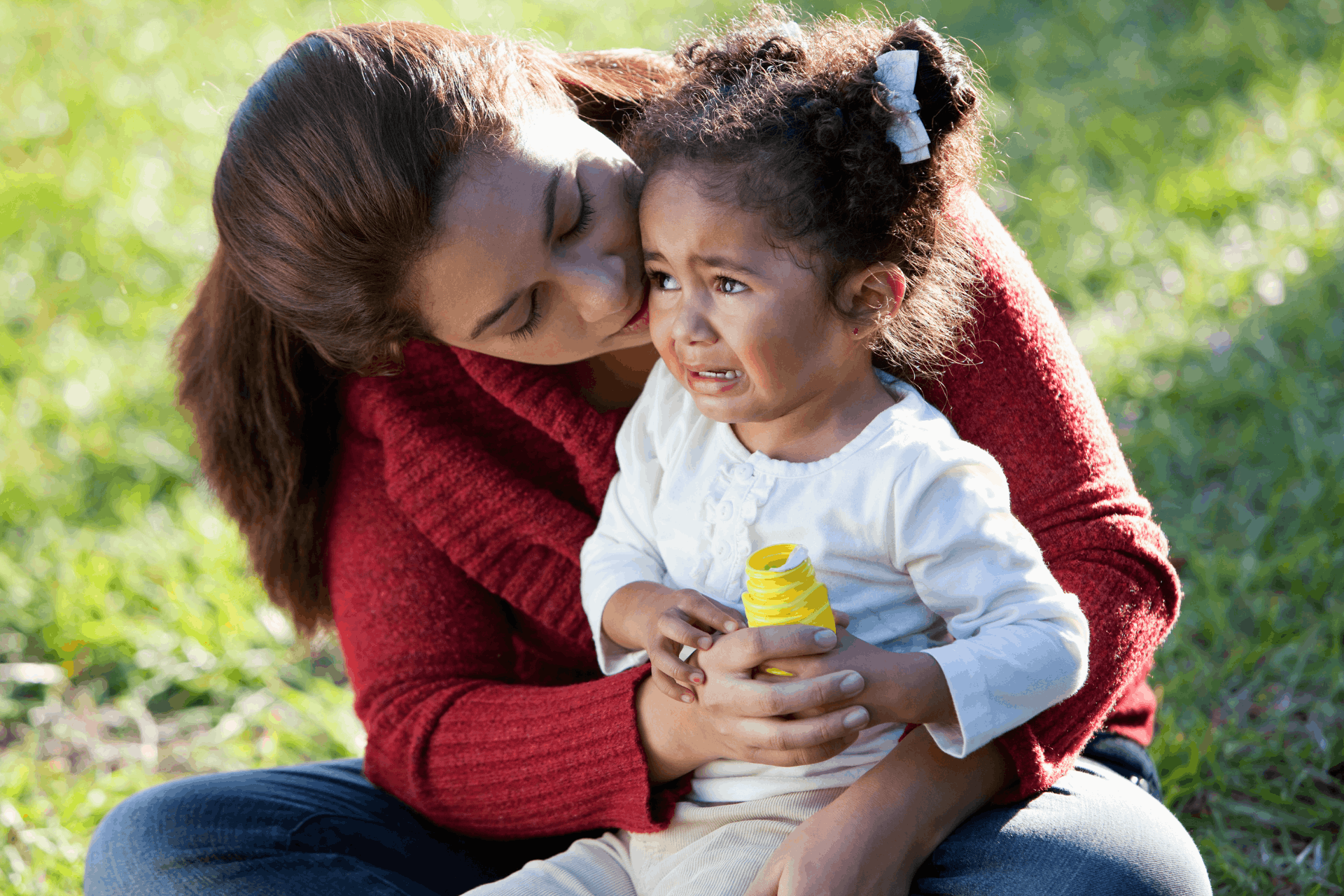
During a tantrum, focus on safety and connection first. Teaching comes later. Make sure to regulate yourself first. Keep your voice calm and your words simple. Move unsafe objects out of reach. Stay close if your child wants comfort, or give space if closeness makes things worse. Try short phrases like, “You’re safe,” “I’m here,” or “That was really hard.”
Skip long lectures in the middle of the storm. Once your child is calm, you’ll have a better chance to name what happened, practice a repair, and talk through what to do next time.
How to Build Regulation Outside the Tantrum
Regulation grows when kids practice it during calm moments. Helpful self-regulation support includes predictable routines, visual schedules, movement breaks, deep pressure activities, transition warnings, snack and rest rhythms, and simple emotion language. The goal is to help your child recover, communicate, and feel more capable over time.
How Occupational Therapy Helps With Regulation
Occupational therapy looks at the skills underlying the behavior. With ColorfullyEnthused LLC, that means looking at how your child processes sensory input, moves through routines, handles transitions, communicates needs, manages frustration, and participates in daily life.
OT support might include sensory strategies, body awareness activities, emotional regulation practice, fine and gross motor work, visual supports, parent education, and playful activities that help kids practice hard things in a way that feels safe and successful.
Frequently Asked Questions About 4-Year-Old Tantrums
Is it normal for a 4-year-old to have extreme tantrums?
Some tantrums are expected at age 4, especially when children feel tired, hungry, disappointed, or overwhelmed. Extreme tantrums deserve a closer look when they happen often, last a long time, include unsafe behavior, or disrupt daily life.
What does an ADHD meltdown look like in toddlers?
An ADHD-related meltdown often comes on quickly and feels hard for the child to stop. It might happen when a child has to wait, shift away from a preferred activity, follow several directions, or handle frustration.
How do I discipline my 4-year-old's tantrums?
Start with safety and calm during the tantrum. After your child settles, teach the skill they were missing. That might mean practicing how to ask for help, how to take a break, how to handle “no,” or how to move through a transition.
Are temper tantrums a symptom of ADHD?
Temper tantrums alone don’t diagnose ADHD. Frequent, intense reactions alongside impulsivity, difficulty waiting, trouble shifting attention, and big frustration responses deserve attention. An evaluation helps families understand what’s driving the pattern.
Support Your Child With Occupational Therapy by Ashlee Schmitt, MOT, OTR/L

When your child’s tantrums feel intense, confusing, or hard to manage, it’s easy to feel like you’re constantly trying to decode what they need. ColorfullyEnthused LLC helps families make sense of those big reactions with support that feels thoughtful, practical, and encouraging.
Ashlee Schmitt, MOT, OTR/L, looks at the skills underneath the behavior—from sensory needs and transitions to regulation, communication, and daily routines. With the right plan, your child gets support that meets them where they are, and you get clearer next steps for helping them feel safe, capable, and understood.
You can schedule an evaluation at The ColorfullyEnthused Therapy Studio and take the next step toward steadier days for your child and your family.