
16 Gross Motor Activities for Children (That Are Totally Fun!)
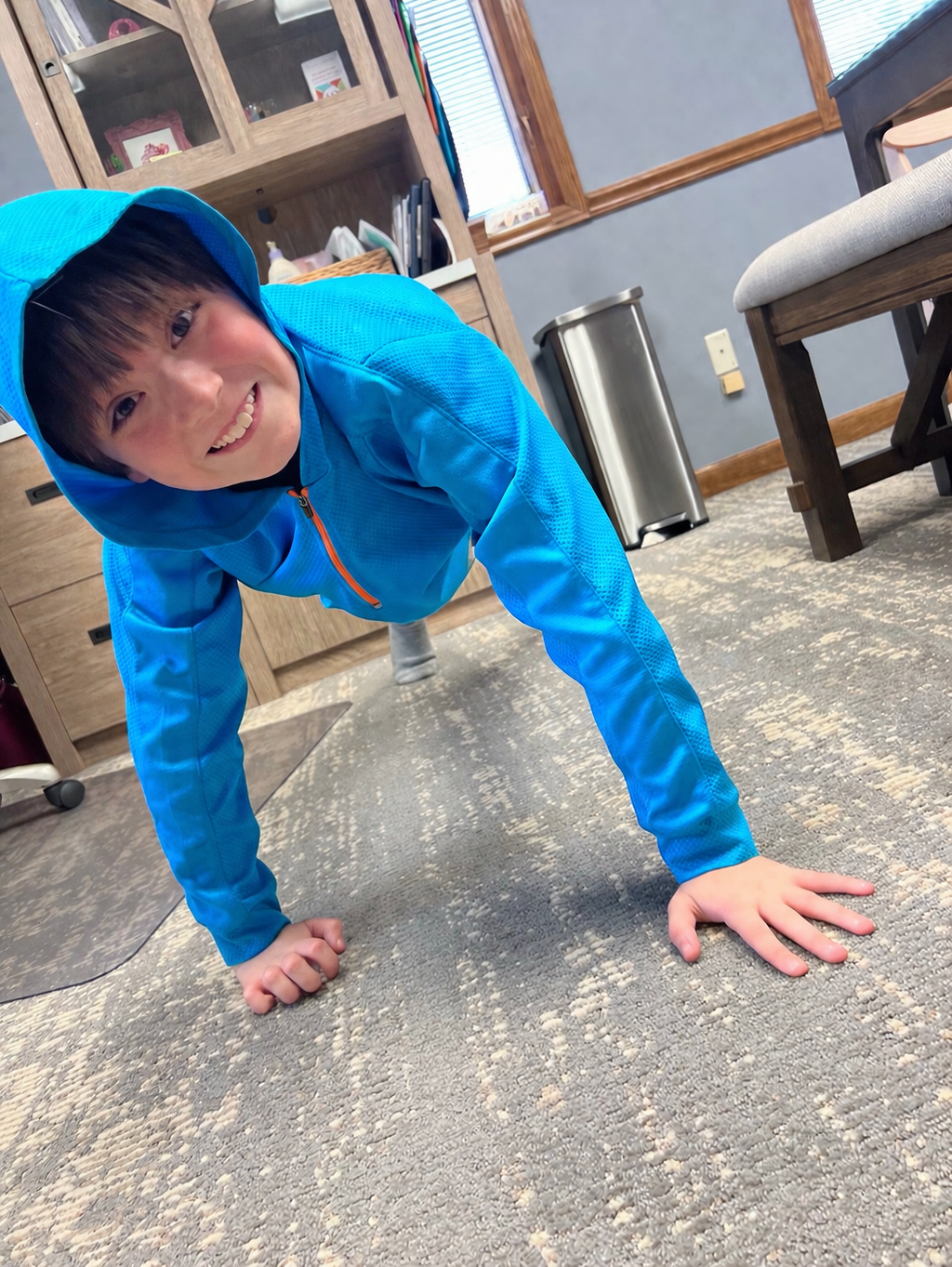
If your child seems unsure on the playground, avoids climbing, gets tired quickly, or struggles to keep up during active play, you are not alone. Oftentimes, parents start to recognize these concerns before they have the language to describe what they are seeing.
These challenges are related to gross motor development. Gross motor skills help children move with strength, balance, coordination, and body control. They show up across a variety of contexts in everyday life–from running and jumping outside with friends, to sitting upright at school, managing transitions between seated and standing positions, and feeling confident in their own body.
Try not to worry too much: growth in gross motor skills can happen through fun, playful movement that kids actually enjoy!
What Are Gross Motor Skills?
Gross motor skills are the big bodily movements that children use every day. They rely on the large muscles of their arms, legs, and core to perform actions such as walking, running, jumping, climbing, balancing, throwing, and kicking.
These skills support movement, play, and participation in everyday routines. They also develop over time, which is why it can be helpful to understand gross motor milestones by age. Strong gross motor skills help children feel steady, coordinated, and safe to engage in what is happening around them.
Why Gross Motor Skills Are Important
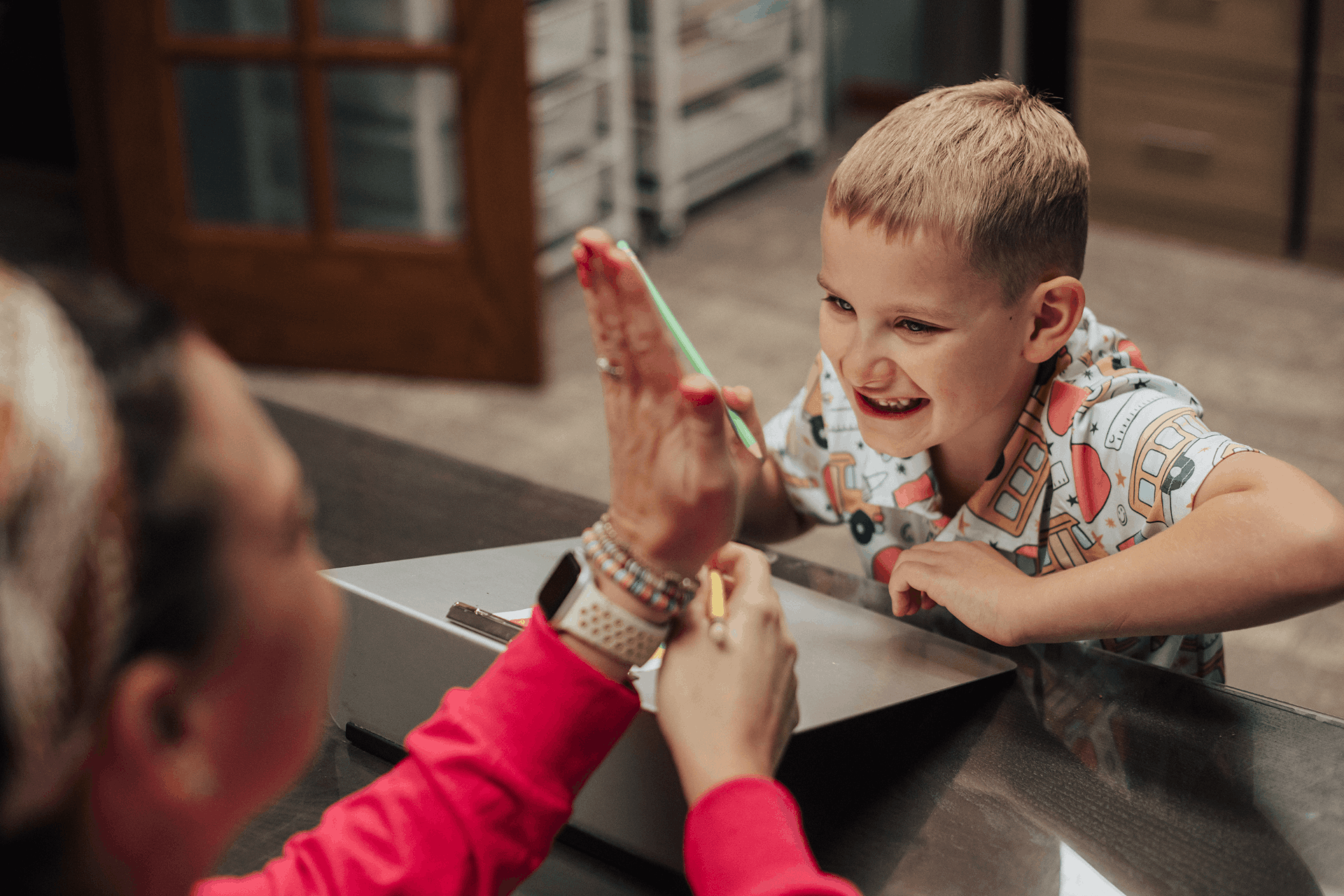
Gross motor skills affect more than playing at recess and excelling in sports. They are necessary in supporting posture, endurance, body awareness, and stamina for learning activities in the classroom.
When a child must use extra effort to simply sit upright, move through the hallway, or manage playground equipment, they have less energy remaining to support the focus they need for reading, handwriting, schoolwork, and emotional regulation throughout the rest of their day.
When a child has strong gross motor skills, they feel more confident to explore new things. They tend to join in on games with peers more easily, recover from movement challenges with less frustration, and generally feel more comfortable in their bodies overall.
How Gross Motor Skills Develop
Gross motor skills develop through repeated exposure to a variety of movement experiences, over time. Children build them through active play, exploration, practice, and everyday routines. Climbing the stairs, carrying toys, jumping off a low step, dancing in the kitchen, and playing outside all give the body and brain opportunities to practice working together.
Growth is not even and balanced among children, and that’s okay! Some kids pick up movement skills quickly, while others require more repetition, more support, or more time to feel steady and successful. Progress occurs best through skilled practice that incorporates some fun without pressure.
Signs of Gross Motor Skill Issues in Your Child
Some children simply need more practice, but it may be a good idea to take a closer look if your child:
avoids climbing, jumping, or playground equipment
seems awkward or unsteady with movement
gets tired quickly during active play
struggles with balance, coordination, or ball skills
has trouble keeping up in gym, recess, or sports
slouches, leans, or has a hard time staying upright during school tasks
becomes frustrated when movement feels hard
seems disorganized in their body during transitions or busy parts of the day
When several of these signs show up together, it’s a good indicator that a child may benefit from some skilled support.
For some kids, including children with autism, these movement challenges often show up alongside additional sensory processing differences and difficulty with self-regulation.
16 Super Fun Gross Motor Activities For Your Child
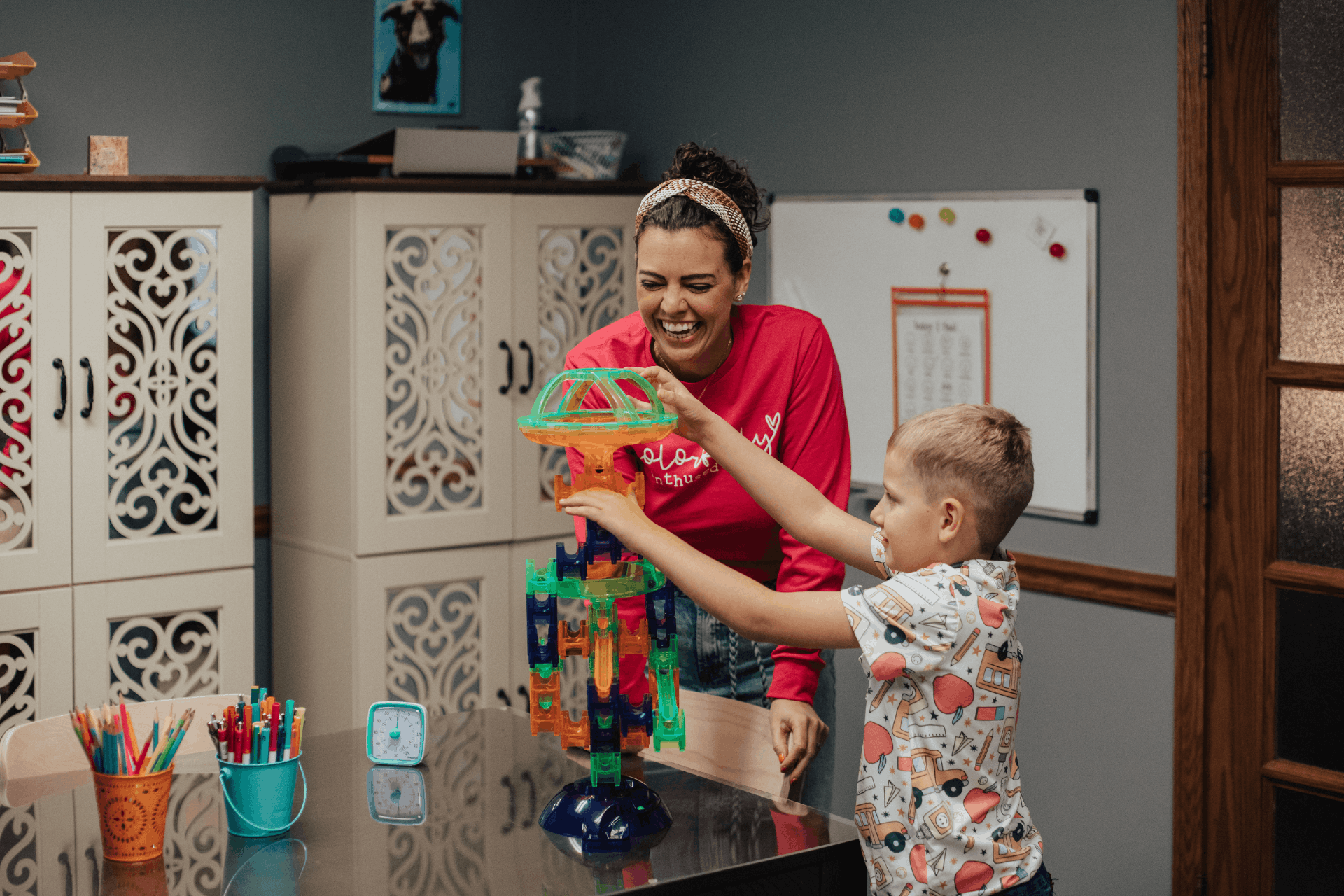
The gross motor activities below are simple, playful, and easy to adapt at home. The goal is not to do them perfectly; The goal is to help your child move and practice in the context of having fun, without any fear of “failing,” messing up, or getting it wrong!
#1. Simon Says
Simon Says builds listening, body awareness, coordination, and motor planning through playful movement directions.
#2. Dancing
Dancing builds rhythm, balance, coordination, endurance, and confidence, especially for kids who respond well to music.
#3. Walk Like an Animal
Animal walks support strength, coordination, body awareness, and core control in a silly, engaging way.
#4. Wheelbarrow Walking
Wheelbarrow walking builds upper body strength, shoulder stability, coordination, and core activation.
#5. Homemade Obstacle Course
Obstacle courses support sequencing, balance, motor planning, problem-solving, and full-body control.
#6. Draw a Balance Beam with Chalk
A chalk balance beam omits the fear of falling while safely helping children practice steady movement, balance, and body control.
#7. Make a Hopscotch Game with Chalk
Hopscotch supports jumping, single-leg balance, rhythm, and coordination.
#8. Make a Racetrack
A homemade racetrack involves pretend play while building movement planning, body control, and active play endurance.
#9. Sidewalk Chalk Obstacle Course
Using sidewalk chalk to create an outdoor obstacle course builds coordination, direction-following, balance, and movement variety.
#10. Backyard Twister Made From Chalk
Backyard Twister supports balance, flexibility, crossing midline, and whole-body coordination. Regular, indoor twister supports these skills too!
#11. Better Ball Skills
Rolling, kicking, bouncing, and tossing a ball builds timing, visual tracking, coordination, and body control.
#12. Playing Catch
Catch supports hand-eye coordination, attention, body timing, and movement confidence.
#13. Mastering the Monkey Bars
Exploring monkey bars helps build grip strength, upper body strength, coordination, and confidence with climbing.
#14. Balloon Toss
Since balloons move more slowly, a balloon toss gives children extra time to track and respond, which supports coordination and controlled movement, while they’re still learning and acquiring the skills required for a game of “catch.”
#15. Bubble Play
Bubble play encourages reaching, running, squatting, jumping, and visual tracking in a low-pressure way for younger kiddos or those with lower developmental skills.
#16. Tricycles, Scooters, and Pedal Cars
Riding toys, like tricycles, scooters, and pedal cars, support leg strength, coordination, endurance, balance, and body awareness–all the skills that they’ll need to be able to ride a bike one day!
How OT Helps with Gross Motor Skills
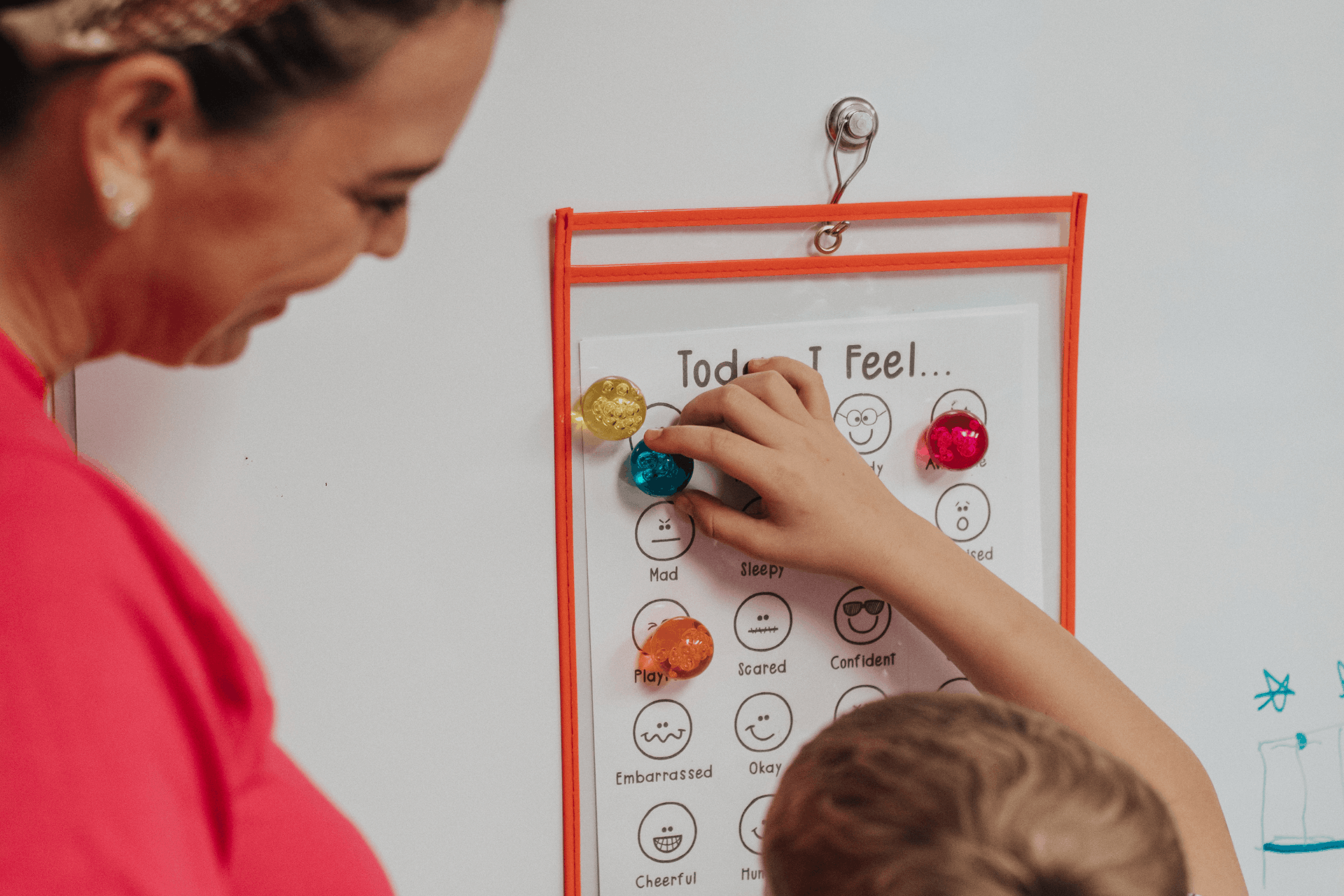
Occupational therapy (OT) can help when gross motor challenges start affecting everyday life. While physical therapy (PT) often focuses on big movement, strength, and balance, OT assesses and intervenes in the ways that those movement skills, or deficits, impact daily participation at home and school.
For example, OT often supports stamina for core strength and posture during activities at the table, builds a child’s regulation strategies, increases the skills of body awareness, endurance, coordination, and motor planning, and increases confidence to complete everyday routines with greater independence.
For some children, gross motor challenges show up alongside frustration with handwriting, difficulty staying organized in their bodies during class, or trouble managing energy and attention across the school day. OT can address those underlying pieces in a way that feels fun, individualized, and absolutely doable.
Gross Motor Activities: Frequently Asked Questions
What are examples of gross motor activities?
Gross motor activities include running, jumping, climbing, balancing, hopping, throwing, catching, dancing, biking, and obstacle courses. These activities use the large muscles of the body; through play, they help children build confidence in their ability to move and explore their environments.
What are the 5 basic gross motor skills?
The five basic gross motor skills are walking, running, jumping, balancing, and climbing. These are the common movement patterns children need across the contexts of home, school, and play.
What are the 7 motor skills?
The seven motor skills often linked to academic success are hand-eye coordination, bilateral coordination, core strength, balance and coordination, crossing the midline, back-to-front movement patterns, and patterning. Together, these skills support handwriting, posture, reading, attention, memory, sequencing, and classroom participation.
Why are gross motor skills important for children?
Gross motor skills are the large body movements that children use to move with control and confidence. They support their ability to complete everyday tasks like home chores, sitting upright at school, navigating the playground, climbing stairs, carrying and balancing materials, and keeping up with peers during play.
Help Your Child Build Gross Motor Skills: Work with Ashlee Schmitt, MOT, OTR/L
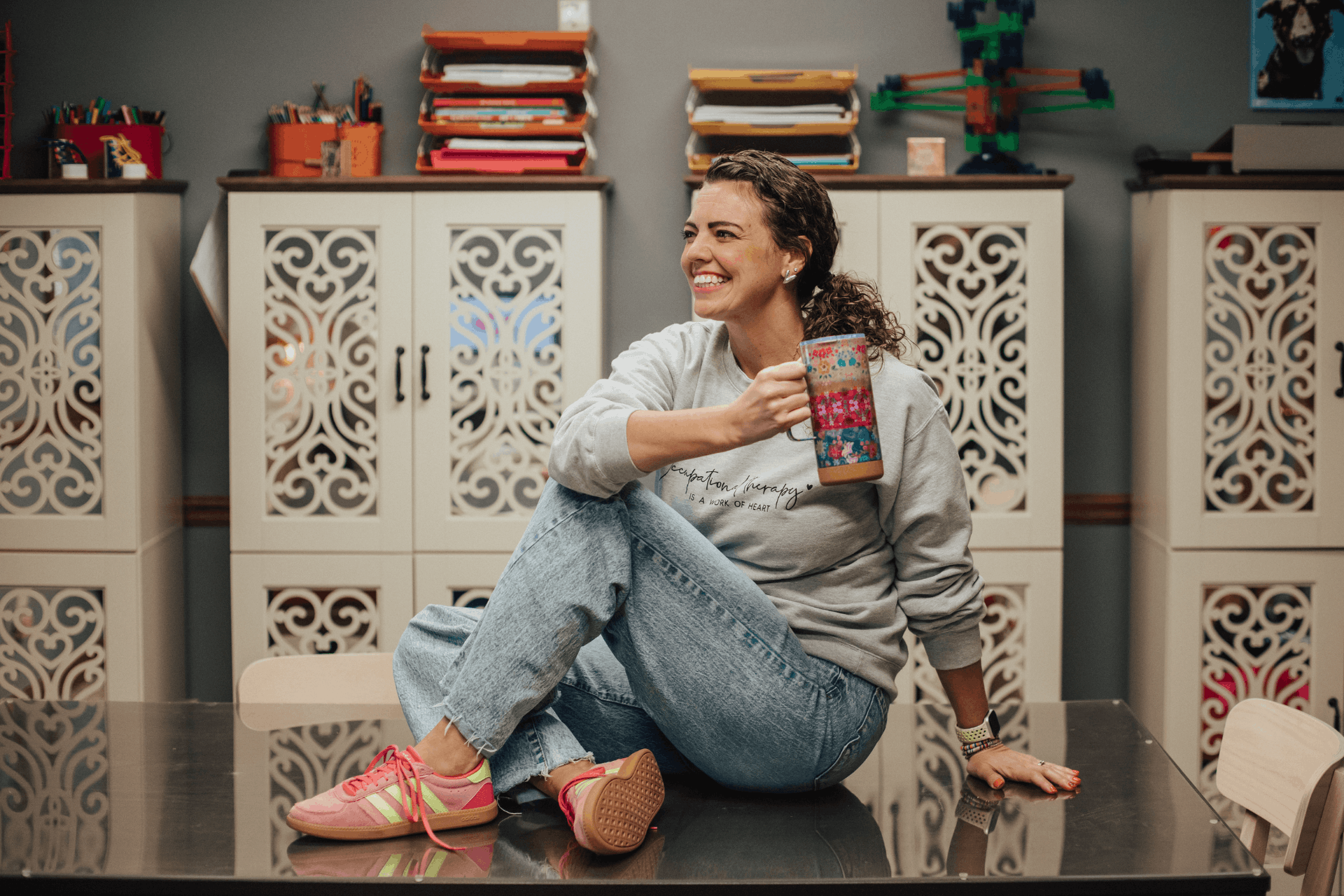
Kids build skills best when they feel supported, encouraged, and free to move through play. If your child is struggling with coordination, endurance, regulation, or classroom participation, occupational therapy can help make their daily life feel easier and help them feel more successful.
Ashlee Schmitt, MOT, OTR/L, provides warm, individualized support that helps children build functional skills for home and school while growing confidence along the way. If you are ready for some clear next steps, contact ColorfullyEnthused* LLC in Westerville, Ohio, to schedule an evaluation.