
4 Physical Milestones to Look for in Preschoolers
Preschoolers are always on the move, which can make it hard to tell what’s typical, what’s still developing, and what may need some more attention. Sometimes parents notice that their child runs, climbs, or plays differently from other kids–but what do the differences mean?
Physical development during the preschool years follows some fairly predictable patterns. When you know what to look for, it's much easier to celebrate what's going well and notice when a little extra support is needed.
What Are Physical Milestones for Preschoolers?
Physical milestones are movement skills that are expected to develop during early childhood. For preschoolers, these skills impact their ability to balance, coordinate their bodies to move through space, build strength, and avoid falls. These skills show up in everyday life, not only in sports or on the playground. They’re most obvious when a child climbs onto a swing, sustains sitting upright at circle time, carries a backpack, or enters and exits the classroom with confidence.
Physical milestones shape how children engage with their world. These foundational skills influence participation in play, independence in daily routines, and a child’s sense of competence and confidence. When physical development is well supported, children engage more fully at home, at school, and alongside their peers.
How to Tell If Your Preschooler Is On Track
Development rarely follows a perfectly tidy timeline. Most children show a natural mix of strengths alongside skills that are still emerging–and that’s not only common, but it’s also expected.
A more meaningful way to assess their progress is through everyday function: How does your child move through their day? Do they seek out and enjoy movement-based play? Do they appear steady and coordinated, and are they gradually building new physical skills with practice and experience? These day-to-day observations can tell you more than any singular checklist.
4 Physical Milestones to Watch for in Preschoolers
#1: Balance and Stability
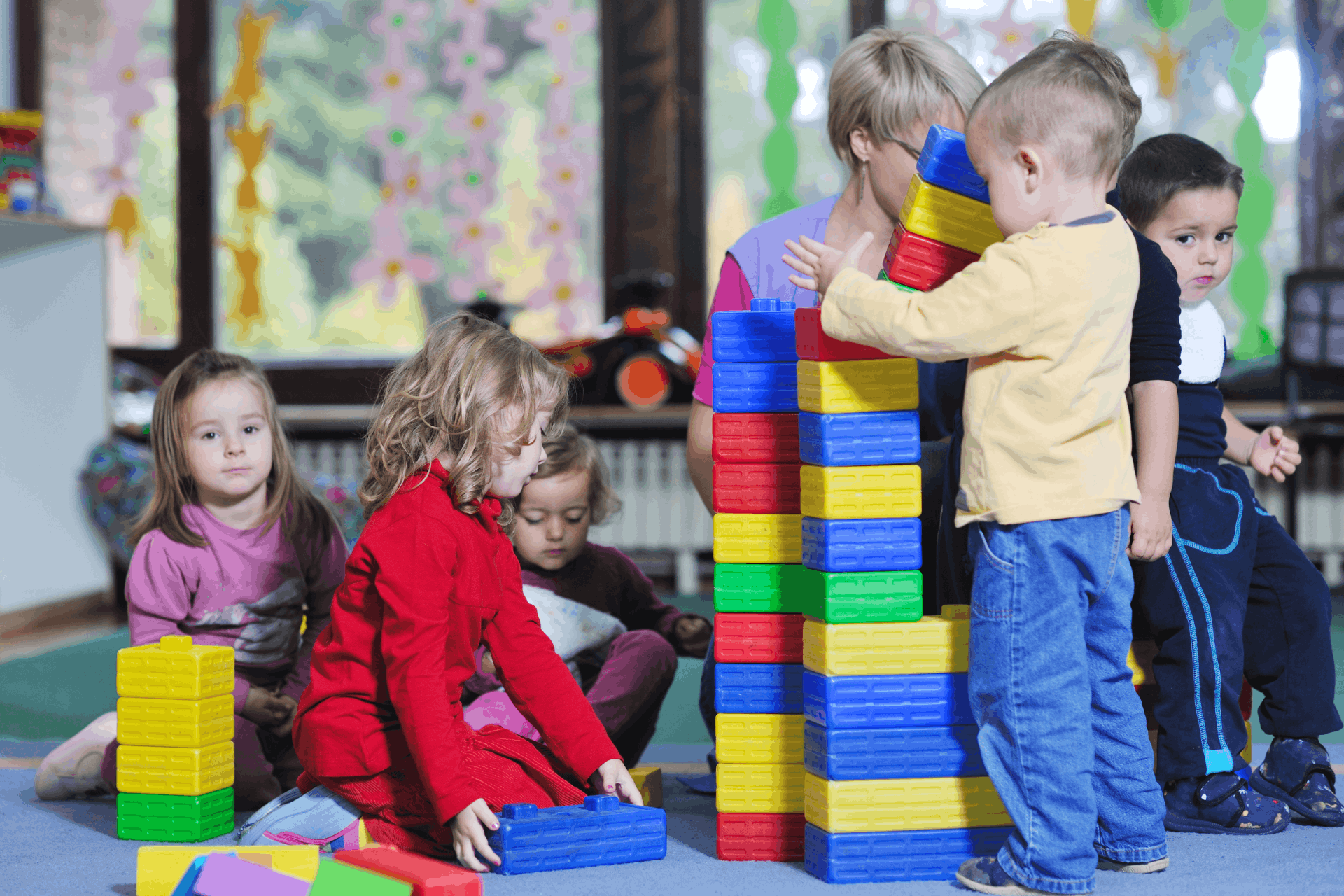
Balance helps preschoolers stay steady while standing, walking, climbing, and moving through the spaces of their everyday life. Take note when you observe your child standing on one foot, stepping over toys, and climbing on equipment at the playground. This is balance and stability at work! When balance is difficult, children may fall more frequently than you’d expect, avoid climbing, seem uneasy when their feet leave the ground, and need help getting dressed.
#2: Coordination and Body Awareness
Coordination and body awareness support children’s ability to move with control and understand where their bodies are in space. Hand-eye coordination supports everything from catching a ball to holding a pencil. When body awareness is lagging, children may bump into things, misjudge distances, have trouble with everyday play activities, or feel easily overwhelmed in busy environments.
#3: Strength and Endurance
Strength and endurance help preschoolers keep up with the physical demands of the day. They support their ability to sit upright for the duration of a family meal; climbing, hanging, playing, and swinging; and move from one activity to the next without wearing out. If a child tires easily, avoids active play, or struggles to stay upright during seated tasks, they may need help increasing their strength and endurance–or they may benefit from some compensatory strategies to reduce the energy expended during the minor activities of everyday life.
#4: Motor Planning and Movement Sequencing
Motor planning helps a child figure out how to start and carry out a movement, while movement sequencing helps them complete the steps in an efficient and orderly way. These skills show up when learning a new game, trying an obstacle course, or following motions in a song. When this feels hard, a child may hesitate with new tasks or need some support to improve their body awareness and organization.
How These Milestones Show Up in Everyday Life
These milestones can be observed when your child gets dressed, joins a game, climbs at the park, sits for a craft, walks through the grocery store, or follows movement directions in class.
When physical skills are developing well, kids tend to move through the day with relative ease. When one or more areas are lagging, the whole day can feel hard for the child and for the adults around them. Support with physical development can make routines feel smoother for children, and therefore, their confidence will begin to soar!
Signs Your Child May Need Extra Support
Every child develops at their own pace, and variation is completely normal. That said, some patterns are worth noticing. Consider reaching out if your child:
Falls frequently or seems unsteady compared to peers
Tires much more quickly than expected, especially during active play
Struggles with self-care tasks like dressing, zipping, or using utensils
Has difficulty learning new physical games or movements, even with practice
Bumps into things often or regularly misjudges distance
Gets easily frustrated with physical tasks and tends to shut down or give up
No single sign tells the whole story. However, when patterns show up consistently and across different settings, an evaluation can provide clarity and a path forward.
Simple Activities to Support Physical Development at Home
Play is the best way to build these skills, and you don’t need fancy equipment to help your child grow.
Try obstacle courses, animal walks, hopscotch, climbing, or dance-and-freeze games to build physical skills through play. If your child would also benefit from smaller hand and finger work, these fine motor activities can pair well with bigger movement play. And if regulation is part of the picture, these self-regulation strategies for students can support movement, breathing, and body awareness throughout the day.
When It's Time to Take a Closer Look
If you find yourself coming back to the same concern—especially across different settings—it’s worth paying attention. Those patterns are meaningful. You don’t need to wait until kindergarten to seek answers; early support can make a significant difference, helping children build skills before frustrations or avoidance begin to take hold.
When challenges are primarily related to movement, balance, strength, or endurance, physical therapy may be appropriate. When difficulties impact daily routines, participation, body awareness, regulation, or school-related tasks, occupational therapy is often the better fit. An OT evaluation is a proactive, supportive step that provides a clear understanding of your child’s current skills, along with practical recommendations to help them move forward with greater confidence and success.
How Occupational Therapy Supports Physical Milestones
Occupational therapy helps children participate more successfully in everyday life–at home, at school, and in their community. Rather than focusing on isolated skills, OT addresses the underlying areas that support function, including balance, coordination, strength, motor planning, and self-regulation. Sessions are individualized and intentionally designed around each child's strengths, needs, and goals to support meaningful, real-world progress.
With ColorfullyEnthused LLC, that support is personalized and purposeful. Sessions are engaging, motivating, and thoughtfully structured so children feel comfortable, capable, and invested in their own progress. When children are genuinely engaged in the process, they build greater skills–and those gains are more likely to carry over into daily life.
What an OT Evaluation Will Tell You
An occupational therapy evaluation is designed to answer the questions many parents are already asking: What is making daily tasks feel difficult right now? Which underlying skills need additional support? What next steps will be most effective?
A comprehensive evaluation provides a clear, objective understanding of your child’s strengths and areas of need, along with specific, practical recommendations you can carry into daily routines at home and school. Rather than relying on guesswork, you receive a defined plan to support your child’s progress in a way that is targeted, meaningful, and achievable.
Preschool Physical Milestones: Frequently Asked Questions
What are physical milestones for preschoolers?
Physical milestones for preschoolers are the expected movement skills that are developed during early childhood and support play, routines, and early learning. They include balance, coordination, strength, endurance, and motor planning.
What are red flags in child development?
Red flags can include frequent falling, avoiding active play, tiring very quickly, struggling with basic movement tasks, or showing ongoing frustration with physical routines that peers handle more easily.
What should a 4-year-old be learning in preschool?
A 4-year-old is often building skills related to movement, play, social participation, early learning routines, self-care, and following directions. Growth does not happen in exactly the same way for every child.
What is the 3 3 3 rule for toddlers?
The 3-3-3 rule is a grounding strategy sometimes used to help young children manage big emotions or moments of overwhelm. It involves noticing three things you can see, three sounds you can hear, and three things you can touch. It is a helpful tool for building self-regulation and body awareness.
Your Preschooler Deserves the Best: Work With Ashlee Schmitt, MOT, OTR/L
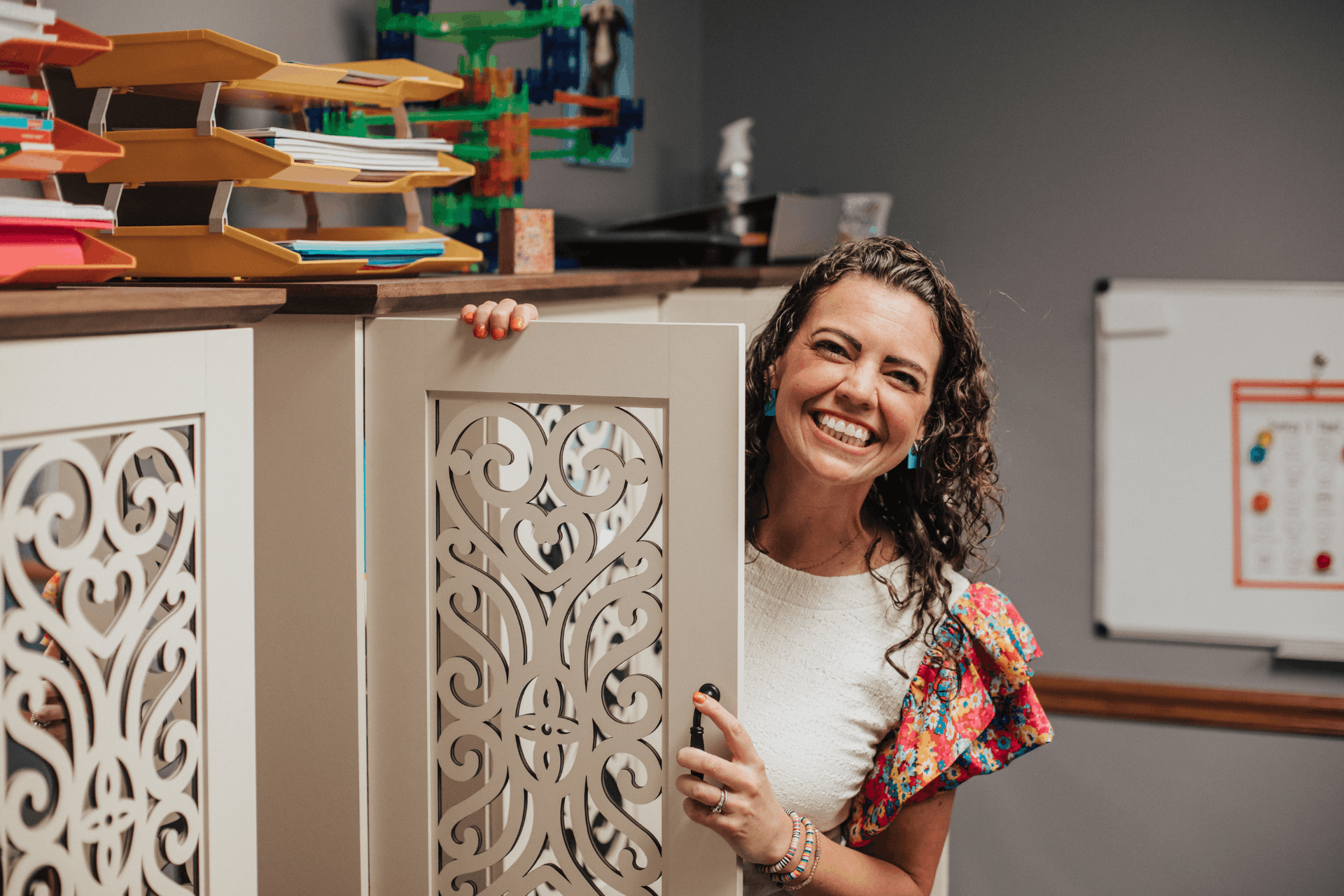
If you've recognized some of the patterns described here, or you’re simply looking for a clearer understanding of your preschool’s development, occupational therapy can provide meaningful insight and direction. At The ColorfullyEnthused Therapy Studio, services are individualized and thoughtfully designed to support physical development, build confidence, and strengthen a child’s ability to navigate daily routines with greater ease.
If you’re interested in learning how Ashlee Schmitt can support your child’s growth and participation in everyday life, let’s connect.